Uttarakhand’s ‘green tax’ may change how we travel
Oct 30, 2025
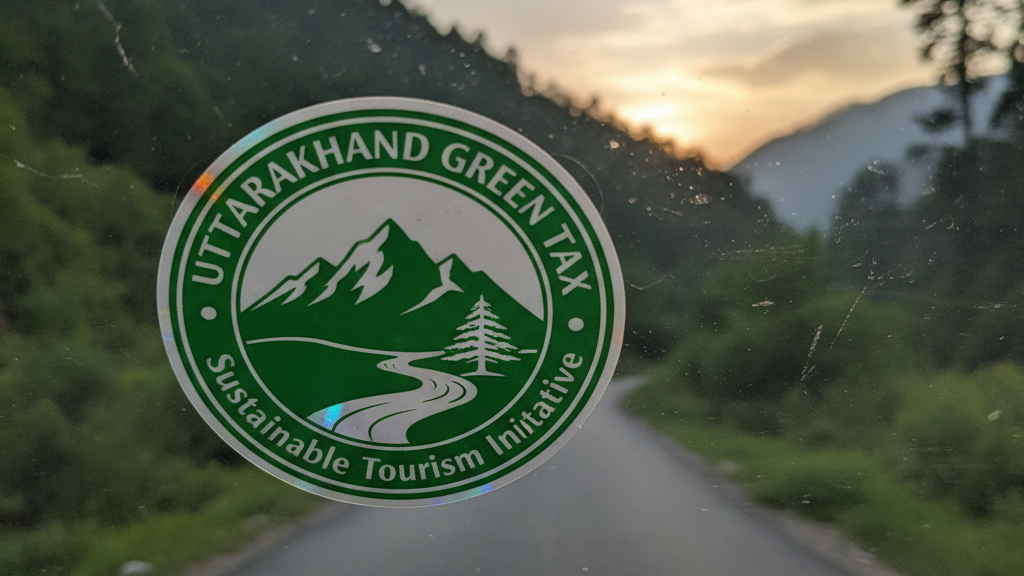
Every year, thousands from across the country drive to locations in Uttarakhand to enjoy its stunning natural beauty or to visit the many holy shrines in the state. Now, Uttarakhand plans to impose a ‘green cess’ on all vehicles coming from outside the state in a bid to raise income from tourism, but also to combat the problems that come with high vehicular traffic entering the state.
Uttarakhand Chief Minister Pushkar Singh Dhami said the new tax wasn’t just about raising revenue, but was also about responsibility. “As Uttarakhand completes 25 years, our commitment is to make the state clean, green, and pollution-free. The revenue generated through the ‘Green Cess’ will be used to improve air quality, enhance green infrastructure, and strengthen smart traffic management,” Dhami said.
But with the proposal, Uttarakhand will also become the first in the country to impose a cess on all vehicles from other regions when they enter the state.
How the tax will work
As it stands, most states impose a tax on all commercial vehicles – like trucks, buses and taxis – when they enter their borders. However, private vehicles are exempted.
In the case of Uttarakhand, the proposed green tax will be in addition to the existing taxes and imposed on all vehicles from outside the state, whether commercial or private. The tax is designed based on the ‘polluter pays’ principle, where those contributing more to emissions pay a proportionate fee.
The cess will be collected at border checkpoints like Haridwar, Haldwani, Rishikesh, and Dehradun, using automated digital systems to reduce human interference and leakage.
State Additional Transport Commissioner Sanat Kumar Singh said that Automatic Number Plate Recognition (ANPR) cameras installed along the state’s borders will capture the registration numbers of incoming vehicles. He said 16 cameras were already installed in the border areas, and their number has now been increased to 37.
The transport department has appointed a vendor company to collect the green tax. The data captured by the cameras will be sent to the vendor through software, which will then separate information related to Uttarakhand-registered, government, and two-wheeler vehicles, and send them to the National Payments Corporation of India (NPCI) database, Singh said.
Wallet numbers of the vehicle owners will be searched, and the relevant amount will be automatically deducted and deposited into the account of the transport department. Not all categories of vehicles will have to pay the green tax. Those exempt from the tax include:
Electric, hydrogen, solar, and battery-operated vehicles
Two-wheelers and CNG-powered vehicles
Emergency vehicles like ambulances and fire tenders
Can a green cess work?
This sort of entry tax on vehicles from outside the state has not been implemented anywhere else in the country so far. Himachal Pradesh has proposed one but has yet to implement it. In multiple states, a green tax is imposed on old vehicles being re-registered in the state to incentivise owners to opt for newer, less polluting vehicles or electric vehicles.
In Delhi, only commercial vehicles entering the city-state pay a green cess. The government proposed imposing a green tax on the registration of all new petrol and CNG vehicles in the state to promote the adoption of electric vehicles, but that hasn’t been implemented yet. However, a green tax has to be paid by buyers of all new diesel vehicles when they are registered.
In the case of Uttarakhand, a study by the state’s pollution control board said road dust contributes 55% of total air pollution in the capital, Dehradun, while vehicular emissions account for 7%. Fragile terrain, limited road width, and steep gradients make vehicular exhaust and dust even more damaging, the study said.
The revenue collected could fund biodiversity conservation, afforestation, renewable energy adoption, and clean transport infrastructure. The mechanism could also act as a regulatory filter that ensures visitors contribute to the preservation of the natural beauty they enjoy.
If this experiment succeeds, it could serve as an example for other hill states like Himachal Pradesh and Sikkim, which face similar tourism-driven environmental pressures and have been toying with the idea of similar taxes.